-ai.svg)
.avif)
Selecting the right preschool daycare is a crucial decision that shapes your child's early development and lays the groundwork for future learning. In Oregon City, Oregon, parents have several options, each offering unique curricula, teaching methodologies, and facilities. This guide will help you navigate these choices by focusing on key factors such as curriculum quality, staff qualifications, affordability, and overall educational approach.
Play-Based Learning: Encouraging Exploration and Growth
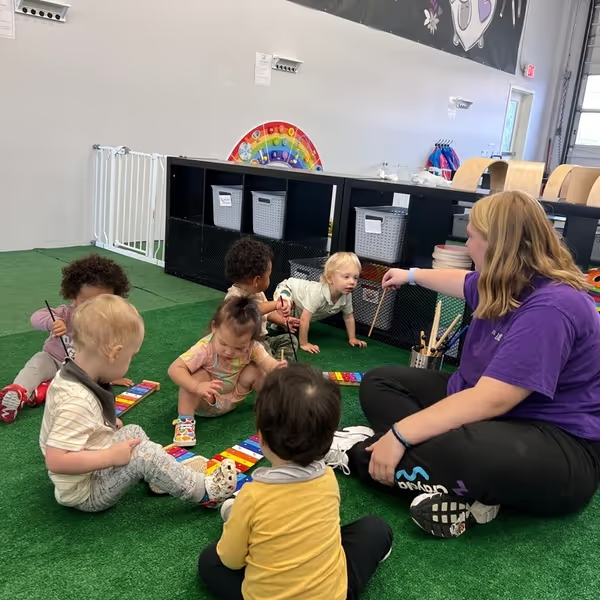
Play-based learning emphasizes interactive play as a critical tool for a child's cognitive and social development. This method encourages creativity, problem-solving, and teamwork, all of which are essential for kindergarten readiness. Studies show that children who engage in play-based education develop better communication skills, emotional regulation, and cooperation, providing a solid foundation for their academic journey.
In Oregon City, many preschools adopt play-based curricula, integrating structured play areas, interactive learning stations, and hands-on activities to stimulate curiosity and cognitive growth. These programs foster an enjoyable, engaging atmosphere where children thrive while learning.
Montessori Education: Nurturing Independence and Self-Directed Learning
The Montessori method is centered around self-directed learning, independence, and hands-on exploration. In Montessori classrooms, children choose activities based on their interests, learning at their own pace while developing a deep sense of responsibility and motivation. This approach not only fosters academic preparedness but also strengthens social and emotional skills.
Montessori preschools in Oregon City offer rich, hands-on learning environments where children engage with sensory-based materials. The mixed-age classroom model allows for peer mentorship, enhancing social development while encouraging collaborative learning.
Traditional Preschool Programs: A Balanced Approach to Learning
Traditional preschools in Oregon City often implement a structured curriculum that combines academic instruction with play-based learning. These programs introduce foundational skills in literacy, math, and social interaction, ensuring children are prepared for the transition to kindergarten.
Activities in traditional preschools typically include:
- Circle time for group discussions and storytelling
- Guided projects that encourage teamwork
- Hands-on activities that develop motor skills and creativity
The structured environment of traditional programs helps children adapt to routines and classroom expectations, making the shift to kindergarten smoother and more comfortable.
Why Play is Essential for Kindergarten Readiness
Regardless of the preschool model, play is a fundamental element of early childhood education. Play encourages critical thinking, creativity, and problem-solving, while also fostering social skills like cooperation and communication. Many preschools in Oregon City integrate structured and unstructured play into their daily schedules, recognizing its importance in preparing children for the next stage of their education.
Key Factors in Choosing the Right Preschool in Oregon City
When selecting a preschool, consider the following aspects:
- Educational Philosophy: Does the school’s approach align with your child’s learning style and your family’s values?
- Curriculum Quality: Does the program offer a balance of academic instruction and play?
- Teacher Qualifications: Are educators trained and experienced in early childhood education?
- Facilities and Safety: Are classrooms, playgrounds, and learning materials well-maintained and safe?
- Parent Involvement: Does the school encourage communication and collaboration between parents and educators?
By carefully evaluating these factors, you can choose a preschool in Oregon City that best supports your child's developmental needs and ensures a seamless transition to kindergarten.
Preschool Curriculum: A Foundation for Early Learning
A well-structured curriculum is essential for a high-quality preschool program. The best preschools in Oregon City emphasize a comprehensive educational framework that promotes cognitive, social, and emotional growth.
Indicators of a strong preschool curriculum include:
- Parent-Teacher Conferences: Regular meetings to discuss progress and set developmental goals
- Digital Access: Online platforms that provide updates, learning materials, and daily activity reports
- Accredited Programs: Schools that follow guidelines set by organizations like the National Association for the Education of Young Children (NAEYC)
Integrating STEM and Arts Education
Leading Oregon City preschools incorporate Science, Technology, Engineering, and Mathematics (STEM) alongside arts education to create a well-rounded learning experience. Early exposure to STEM concepts helps develop problem-solving skills, while arts education supports cognitive growth, self-expression, and creativity.
Highly Qualified Staff and Continuous Training
The success of a preschool program is largely determined by the quality of its educators. Oregon City daycare centers prioritize hiring certified early childhood educators who undergo continuous training to stay updated with the latest teaching strategies. Research shows that trained caregivers positively influence children's physical, emotional, and intellectual development.
Affordability vs. Quality: Finding the Right Balance
While affordability is a major factor for families, choosing the lowest-cost option can sometimes compromise quality. Oregon City daycare tuition typically aligns with the cost of hiring a nanny, but preschool programs offer additional benefits such as:
- Structured learning environments that promote early academic success
- Socialization opportunities with peers
- Multiple trained educators, reducing the risk of unexpected interruptions compared to a single caretaker
Tuition Rates Reflect Quality
Most daycare tuition fees are allocated to maintaining facilities, educational materials, and staff salaries. Higher tuition often translates to better-trained teachers, safer environments, and more enriching learning experiences.
Understanding Different Preschool Sizes and Their Benefits
The size of a daycare or preschool influences the quality of care and education provided.
- Home-Based Childcare: Small and nurturing but may lack extensive resources
- Single Location Preschools: Independent operators that may struggle with staff retention
- Large Chain Preschools: May prioritize profit over quality due to corporate structures
- Privately Owned Multi-Location Centers: These often provide the best balance of personalized care and high-quality facilities
Conclusion
Choosing an affordable and high-quality preschool daycare in Oregon City involves balancing cost with educational quality, staff qualifications, and facilities. While lower-cost options may seem attractive, they often come with trade-offs in teacher quality, curriculum depth, and facility maintenance.
Investing in a top-tier preschool ensures your child receives the best possible start in their academic journey. By considering factors such as curriculum structure, teacher expertise, and overall learning environment, parents can confidently select the best preschool daycare for their family in Oregon City, Oregon.
.webp)